
Ductwork Repair & Replacement in Miami, FL
Ducts running through a hot attic lose conditioned air before it reaches a room. Sealing joints with mastic and replacing torn flex duct fixes the loss at the source.
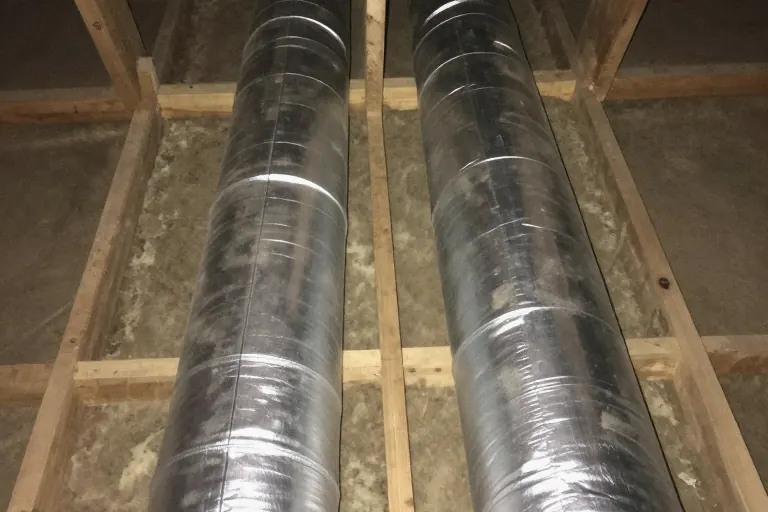
Parts that get sealed or swapped
Leaky ducts pull attic air into the supply stream and push cooled air into places you never use. The work starts at the air handler and follows each run to the boot. A tech brushes old tape off the joints, spreads mastic over the seams, and ties back loose insulation. Torn flex gets cut out, the collar gets sealed, and new flex gets stretched tight so it does not sag. Hard pipe with rust, dents, or loose collars can be cut out and refitted in the same chase.
Replacement means more than swapping a torn sleeve. The installer checks the plenum, the trunks, the takeoffs, and the returns, then decides what can stay and what has to come out. Old fiberboard that has softened at the corners usually gets replaced rather than patched. New runs get sized for the room load, hung level, and strapped so they do not rub the joists. The goal is simple: air reaches the register, not the attic.
- Mastic on every joint
- New flex where runs sag
- Sealed collars and boots
- Return boxes rebuilt
- Old tape and dust removed
- Insulation pulled back straight
What you can see or smell
If one room stays stuffy while the hall feels fine, the duct to that room may be crushed or disconnected. Dust that puffs from a supply when the blower starts points to a return leak. A whistle at a ceiling boot can mean the joint has opened. Musty smell near a closet return can mean the pan or nearby flex has gone bad. Higher use with no change in habit often means cooled air is spilling into the attic.
- Dust puffing from a supply
- A room that never cools
- Whistling at the ceiling boot
- Musty air by a return
- Weak airflow at far registers
- Insulation stuck to a joint
Open, remove, fit, test
The visit starts at the thermostat, then the blower door panel comes off. The installer runs the fan and feels each supply with the back of a hand, then opens the attic hatch and lays boards across the joists. Sections of flex are lifted off the trusses and checked for kinks, tears, and dark insulation. Bad runs get cut at the collar and the old sleeve comes out. Mastic goes on every joint before new material goes in.
New flex is pulled long enough to avoid sharp bends, then strapped every few feet and sealed at both ends. Hard pipe gets screwed, taped at the seam, and coated with mastic so air cannot slip past. Return drops get checked where they meet the air handler, since a gap there pulls in attic air. After the repairs, the blower runs again and each register gets felt for even flow. The attic hatch is set back and insulation is fluffed over the new runs.
- Feel each supply with the blower running
- Open the attic and lay walk boards
- Cut out crushed or torn flex
- Seal collars before hanging new runs
- Check return drops at the handler
- Run the blower and test airflow
Florida heat cooks attic flex
In Florida, the attic stays hot and damp for much of the year, so flex insulation breaks down and tape lets go sooner than in mild places. Daily storms drive roof leaks that can soak a run, and hurricane season can scatter insulation or dent metal near the eaves. Salt air near the coast pits exposed fasteners and metal collars. In Miami, sealing mastic needs to stay flexible through heat cycles, and repairs before the long summer usually matter most for comfort.
What makes it a bigger job
The cost turns on access, damage, and how much of the system has to be opened up. A short torn run above a hall is quick. Long runs buried under deep insulation, rusted metal trunks, crushed returns, or a hot attic with tight truss spacing take longer and add material.
- Attic access and headroom
- How many runs are bad
- Metal trunk versus flex
- Deep insulation over the work
- Return leaks near the handler
Questions about ductwork repair & replacement
Can they patch the duct or does the whole run have to come out?
A small tear near the end can be cut back and refitted. If the inner liner is shredded, the insulation is wet, or the run sags across the attic, replacement makes more sense than wrapping tape over a failing sleeve.
Do I have to be home?
Only if the attic hatch is inside the house. If the blower and duct access are in a garage or closet, the work can go ahead while you are out.
Do I need to worry about roof leaks after a storm before checking the ducts?
Yes, if the ceiling stain sits near a supply or return. Storm water can run along the roof deck and drip into a flex run, so the wet insulation and inner liner need to be opened and dried or replaced before mold sets in.
Will a heat pump instead of a furnace change the duct work?
It can. Many Florida homes heat with a heat pump or strips on the same blower, so the ducts see near-constant air movement. That makes return leaks more noticeable and puts more wear on flex collars and filter slots.
Will it make less dust in the rooms?
It can, once the return leaks are closed. Return gaps pull attic air through the blower, and that dusty stream feeds every room. Sealing the return box, filter slot, and nearby joints keeps the dirt out of the supply stream, though it will not fix dust from open windows or pets.
Can new ducts be added while the old ones are repaired?
Often, if the trunk has room for another takeoff. A new run to a hot room or a finished addition can be tied in after the bad sections are sealed, then balanced with dampers so the old rooms do not lose airflow.